

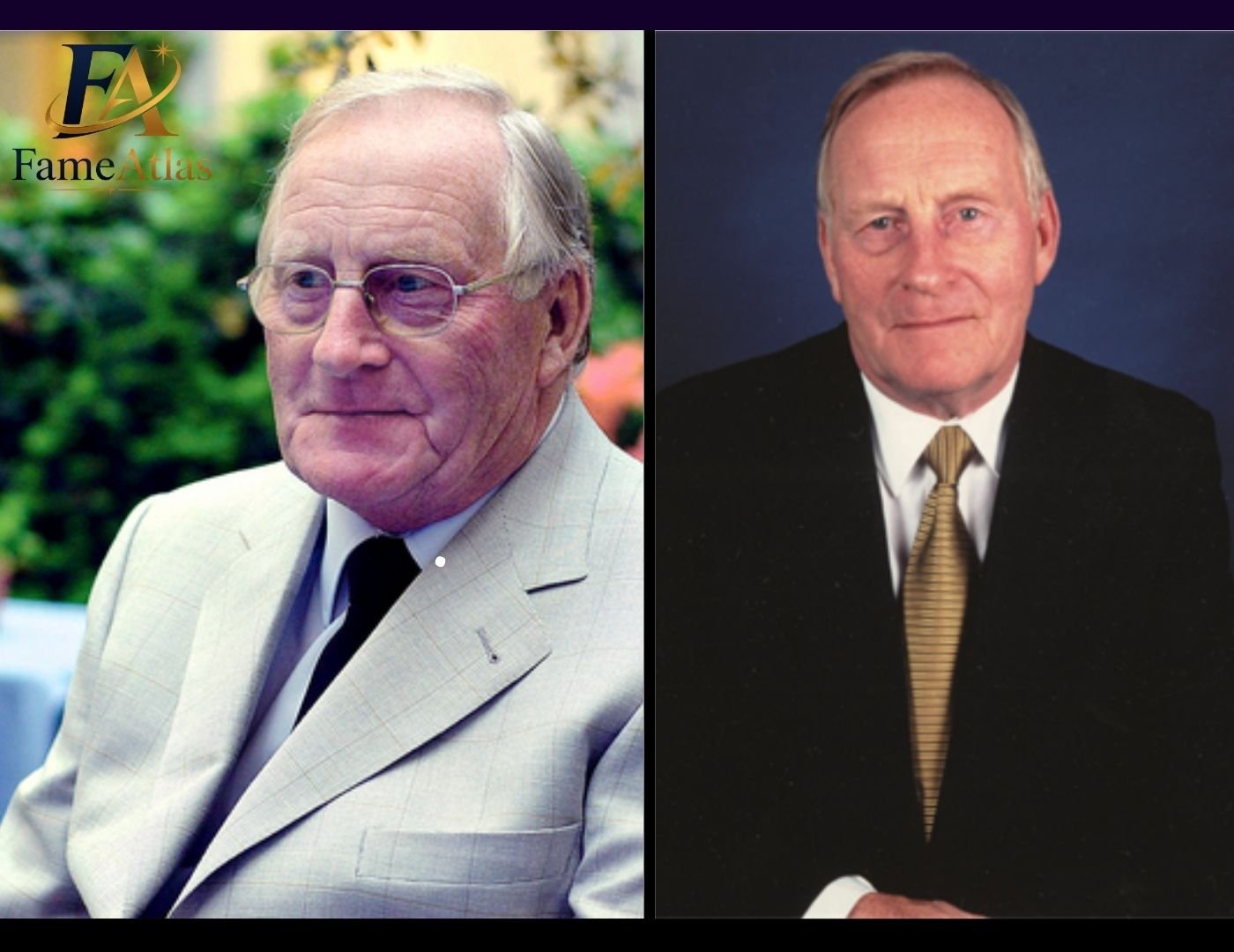
The Allen Carr Easy Way is one of the best-known approaches associated with smoking cessation and behavioral change. Developed by British author and former accountant Allen Carr, the method grew from his personal struggle with heavy cigarette dependence and his eventual decision to dedicate his life to helping other smokers. Carr claimed that quitting did not have to depend entirely on willpower and instead focused on changing how people understood addiction, cravings, and the perceived benefits of smoking. His first major book, The Easy Way to Stop Smoking, appeared in 1985, helping turn his ideas into an international publishing phenomenon. Today, the Allen Carr Easy Way remains widely recognized, although modern research presents a more nuanced picture of how effective the approach is compared with other cessation methods.
Biography / Key Facts Table
| Detail | Information |
|---|---|
| Full Name | Allen John Carr |
| Known For | Allen Carr Easy Way |
| Born | September 2, 1934 |
| Birthplace | Putney, London, England |
| Profession | Accountant, author, smoking-cessation campaigner |
| Accounting Qualification | 1958 |
| Stopped Smoking | July 15, 1983 |
| First Easyway Center | Wimbledon, England, 1983 |
| First Major Book | The Easy Way to Stop Smoking |
| Book Publication | 1985 |
| Died | November 29, 2006 |
| Age at Death | 72 |
| Major Legacy | International smoking-cessation method and bestselling books |
Who Was Allen Carr?
Allen John Carr was born on September 2, 1934, in Putney, London, England. He later became an accountant, qualifying professionally in 1958, but his career was overshadowed by a severe dependence on cigarettes. According to biographical accounts, Carr began smoking while serving in National Service and eventually became a very heavy smoker. Contemporary accounts describe his consumption as reaching around 100 cigarettes a day at its worst. This personal experience became central to his later work because Carr understood the repeated cycle of attempting to quit and returning to smoking. The story of his own dependence eventually became the foundation for the Allen Carr Easy Way, transforming him from an accountant into an internationally known author and smoking-cessation figure.
Allen Carr’s Struggle With Smoking

Before developing the Allen Carr Easy Way, Carr described himself as someone who had repeatedly tried to stop smoking. His experience was important because he believed conventional attempts based primarily on determination had left him feeling trapped. Historical accounts describe his cigarette consumption increasing dramatically over the years, despite his awareness of the health risks. Carr eventually became interested in understanding why quitting seemed so difficult and why smokers could believe cigarettes were providing genuine pleasure or relief. Rather than treating smoking simply as a bad habit, he began examining the psychological and physical mechanisms behind dependence. This change in perspective became one of the defining characteristics of the Allen Carr Easy Way and later appeared throughout his books and seminars.
The Turning Point in 1983
The most important date in the history of the Allen Carr Easy Way is 1983. After years of unsuccessful attempts, Carr finally stopped smoking on July 15, 1983, according to biographical sources. He had visited a hypnotherapist, but Carr later emphasized that he did not believe hypnosis itself was responsible for his success. Instead, he credited a change in his understanding of nicotine dependence. He came to view smoking as a cycle in which the smoker interprets temporary relief from withdrawal as pleasure. This idea became the intellectual foundation of his approach. Carr believed that understanding this cycle could change a smoker’s perception of cigarettes and reduce the psychological fear associated with stopping.
How the Allen Carr Easy Way Developed
After successfully stopping smoking, Carr began helping other smokers understand the ideas that had changed his own thinking. He initially worked with people individually, and demand reportedly grew quickly. In 1983, he established his first Easyway center in Wimbledon, England. His work gradually developed into seminars, clinics, books, and an international organization. The Allen Carr Easy Way became recognizable because it emphasized education and psychological reframing rather than making willpower the central feature. Over time, the method expanded beyond smoking. Carr and the organization associated with his work applied similar concepts to subjects including alcohol, overeating, caffeine, gambling, and fear of flying. The expansion helped establish Allen Carr as a major name in the self-help and behavioral-change publishing world.
The Book That Made Allen Carr Famous
The publication of The Easy Way to Stop Smoking in 1985 was a major milestone. The book translated Carr’s personal ideas into a structured reading experience intended to challenge common assumptions about smoking. Instead of presenting quitting solely as an exercise in resisting temptation, Carr encouraged readers to reconsider why they believed they needed cigarettes in the first place. The book became an international bestseller and was subsequently published under versions of the Allen Carr Easy Way branding. According to the organization’s current history, Carr’s smoking-cessation book has sold more than 15 million copies in over 38 languages. Independent historical reporting also confirms that the book became a significant international success.
What Does Allen Carr Easy Way Mean?
At its core, the Allen Carr Easy Way is a psychological approach to understanding dependence. Carr argued that smokers often develop beliefs that cigarettes provide relaxation, concentration, enjoyment, or stress relief. His method challenges those assumptions by asking people to examine what they actually experience before, during, and after smoking. One of his central arguments was that smoking can create a cycle in which nicotine withdrawal produces discomfort and another cigarette temporarily removes that discomfort. Carr therefore encouraged a different interpretation of the experience. Rather than seeing cigarettes as something valuable that must be sacrificed, the method frames freedom from dependence as something positive. This reframing is one of the most recognizable features of the Allen Carr Easy Way.
The “Nicotine Trap” Concept
The phrase “nicotine trap” is closely associated with the Allen Carr Easy Way. Carr’s explanation was that dependence can influence a smoker’s perception of cigarettes. A person may believe that smoking relieves stress or creates pleasure, while Carr argued that some of the perceived relief actually results from temporarily easing withdrawal created by previous nicotine exposure. This concept became central to his books and seminars because it attempts to explain why someone can understand that smoking is harmful while still feeling compelled to continue. The method consequently places considerable emphasis on changing beliefs and perceptions. From a modern medical perspective, nicotine dependence is recognized as involving both biological and behavioral factors, so Carr’s psychological explanation represents one perspective rather than a complete scientific account.
Why Willpower Is Not the Main Focus
One of the most distinctive claims associated with the Allen Carr Easy Way is that quitting should not be viewed simply as a test of willpower. Carr believed that focusing heavily on willpower could reinforce the idea that life without cigarettes would be miserable. His alternative was to encourage a change in perception before stopping. The philosophy is essentially that a person is more likely to find quitting manageable when they no longer regard smoking as something desirable that they are being forced to surrender. This differs from approaches that place greater emphasis on resisting cravings through deliberate coping strategies. Importantly, the idea should not be interpreted as saying that nicotine dependence is imaginary or that everyone can quit effortlessly; established medical evidence recognizes dependence as a genuine health condition.
Allen Carr Easy Way and Smoking Cessation
The Allen Carr Easy Way has attracted significant attention because it offers a non-pharmacological approach to smoking cessation. Its seminars have traditionally involved several hours of group-based psychological education and discussion. Unlike cessation programs centered on nicotine replacement or prescription medication, the Easyway model focuses on changing attitudes toward smoking. This distinction has made the approach particularly recognizable within the wider smoking-cessation field. However, people should distinguish between the claims made by the method’s organization and what independent research demonstrates. Evidence published in medical journals indicates that the method can help some smokers stop, but success rates vary between studies. Smoking cessation is also influenced by factors such as dependence level, previous attempts, environment, support, and individual circumstances.
What Scientific Research Says
Research into the Allen Carr Easy Way has increased over time. A randomized clinical trial published in Tobacco Control examined 300 adult smokers and compared a five-hour Allen Carr seminar with an online cessation service. At one year, the study reported continuous quit rates of 22% for the Allen Carr group compared with 11% for the comparison group. The researchers concluded that the Easyway intervention produced better outcomes than the online service used in that trial. These findings are important because they provide controlled evidence supporting the possibility that the approach can be effective. However, one study does not establish that the method is universally superior to every other cessation treatment. The study itself described established behavioral and pharmacological treatments as evidence-based options.
A Second Randomized Trial
A later randomized controlled trial offered a more nuanced comparison. Researchers studied 620 adult smokers in London and compared Allen Carr’s Easyway program with a specialist smoking-cessation service that included behavioral support and pharmacological treatment. The study found six-month continuous abstinence of 19.4% in the Easyway group and 14.8% in the specialist-service group when analyzed by intention to treat. However, the researchers concluded that there was no clear evidence of a difference in efficacy between the two approaches. This is an important qualification when discussing the Allen Carr Easy Way because it demonstrates that scientific findings do not simply support the strongest promotional claims associated with the method. Instead, the evidence suggests that Easyway can be a useful cessation option while not necessarily outperforming established treatment approaches.
Systematic Review of the Allen Carr Method
A systematic review published in 2023 examined research available on the Allen Carr method for smoking cessation. Researchers identified 34 original studies, although only six met their inclusion criteria. Those studies included sample sizes ranging from 92 to 620 participants, and reported cessation rates among seminar attendees ranging from 19% to 51%. The review is valuable because it brings together available research rather than relying on individual success stories. At the same time, the relatively small number of qualifying studies demonstrates why claims about the method should remain measured. The evidence base is considerably smaller than that supporting some conventional smoking-cessation approaches. Consequently, the Allen Carr Easy Way can be described as an evidence-supported approach, but not as a universally proven or guaranteed solution for every smoker.
Allen Carr Easy Way Without Medication

Another important feature of the Allen Carr Easy Way is its traditional emphasis on a medication-free approach. The method generally attempts to address the psychological side of dependence through education, discussion, and changes in perception. This distinguishes it from cessation programs that combine counseling with nicotine replacement therapy or prescription medicines. The distinction does not mean that one category is automatically better for everyone. Different people respond differently to cessation interventions, and medical guidance can be particularly important when someone has substantial nicotine dependence or other health considerations. Research on the Easyway program has shown meaningful quit rates, but scientific literature continues to recognize pharmacological and behavioral treatments as established tools for tobacco dependence. A balanced understanding therefore places Easyway within a broader range of cessation options.
Expansion Beyond Smoking
The success of the original Allen Carr Easy Way encouraged Carr to apply his ideas to other behaviors and fears. His later books addressed subjects including alcohol, overeating, fear of flying, caffeine, and other forms of dependence. The underlying theme was that people may become trapped by beliefs about what they need or what they fear losing. Carr attempted to challenge those beliefs through explanation rather than simply demanding greater self-control. This expansion helped transform Easyway from a smoking-cessation concept into a broader self-help brand. Although the evidence supporting each application is not necessarily equivalent to the research on smoking cessation, the wider body of work demonstrates how Carr’s original ideas became part of a much larger philosophy concerning habits, dependence, fear, and personal change.
Allen Carr’s International Influence
During his lifetime, Carr developed a substantial international reputation. His organization expanded from the original clinic into centers across multiple countries, while his books reached readers around the world. In 1997, Carr was invited to speak at the 10th World Conference on Tobacco and Health, an unusual distinction for someone without formal medical qualifications. The invitation demonstrated the extent to which his work had attracted attention beyond the self-help publishing industry. Carr’s influence was also strengthened by public testimonials from people who said his method helped them stop smoking. However, testimonials should be distinguished from controlled scientific evidence. The continuing interest in the Allen Carr Easy Way comes from the combination of Carr’s compelling personal story, the accessibility of his writing, and research suggesting that the intervention can be effective for some smokers.
Allen Carr’s Books and Publications
The Allen Carr Easy Way became the foundation for a large collection of publications. His best-known work remains The Easy Way to Stop Smoking, while later editions and related titles updated the presentation for new audiences. Carr also produced books addressing smoking among women, young people, and other specific groups, alongside works about alcohol, weight management, flying, and other concerns. His writing style generally relied on repetition, conversational explanations, and challenges to assumptions. The objective was to make readers reconsider the perceived benefits of the behavior being discussed. Many of his books continued to circulate after his death, with updated editions preserving the basic philosophy while adapting terminology and presentation for modern readers. This publishing legacy remains one of the most visible parts of the Allen Carr Easy Way story.
Allen Carr’s Final Years
Carr continued his work for many years after establishing Easyway. In 2006, however, he was diagnosed with inoperable lung cancer. The diagnosis was especially poignant because his public career had centered on helping smokers escape tobacco dependence. Accounts associated with his organization state that Carr believed prolonged exposure to smoke-filled environments while conducting seminars may have contributed to his illness. He died on November 29, 2006, aged 72. His death received attention from major British publications, reflecting the prominence he had achieved as an anti-smoking author and campaigner. Carr’s final years added a tragic dimension to his story, but they also reinforced the seriousness of tobacco-related health risks and the importance of evidence-based efforts to reduce smoking.
The Legacy of Allen Carr Easy Way

The legacy of the Allen Carr Easy Way extends beyond Allen Carr’s lifetime. The organization he founded continues to promote his approach internationally, and his books remain widely known. The current organization reports that the original smoking-cessation book has sold more than 15 million copies in over 38 languages. Independent research has also examined the method and found evidence that it can help some smokers achieve abstinence. At the same time, scientific reviews emphasize limitations in the available research and the importance of comparing Easyway with established cessation treatments. This combination of popularity and continuing research makes Carr’s legacy particularly interesting. He successfully transformed a personal experience with addiction into a worldwide self-help movement while leaving behind an approach that continues to be evaluated scientifically.
Is Allen Carr Easy Way Effective?
The most accurate answer is that the Allen Carr Easy Way can be effective for some people, but it is not a guaranteed solution. Controlled studies provide evidence that participants in Easyway programs can achieve meaningful smoking-abstinence rates. One trial found better results than an online comparison service, while another found no clear difference between Easyway and a specialist service combining behavioral and pharmacological support. A systematic review also concluded that available studies show cessation rates varying considerably. These findings suggest that Easyway deserves recognition as a legitimate approach that has been studied, while claims of universal or guaranteed success should be treated cautiously. Anyone concerned about nicotine dependence should also recognize that established medical cessation support remains available and can be appropriate depending on individual circumstances.
Why Allen Carr Easy Way Remains Popular
The continuing popularity of the Allen Carr Easy Way can be explained by several factors. First, Carr’s personal story is compelling because he went from extreme cigarette dependence to dedicating his career to helping other smokers. Second, his writing uses accessible language rather than highly technical medical terminology. Third, the method addresses a psychological question that many people find important: why can someone understand that smoking is harmful and still feel drawn toward it? By concentrating on beliefs and perceptions, Carr offered readers a different way of thinking about addiction. Finally, the method has accumulated decades of public recognition and scientific investigation. Its popularity does not prove every claim associated with it, but it does explain why the Allen Carr Easy Way continues to be discussed decades after Carr first introduced his approach.
Allen Carr Easy Way in Modern Perspective
Today, the Allen Carr Easy Way is best understood as one approach within the broader field of smoking cessation rather than as a replacement for medical science. Modern understanding recognizes nicotine dependence as a complex condition involving biological, psychological, and environmental factors. Carr’s method emphasizes the psychological and cognitive side of that equation. Research suggests that this can be useful, particularly when delivered through structured programs, but individual outcomes differ. The strongest modern perspective is therefore balanced: Easyway has a substantial history, millions of readers, international reach, and research demonstrating meaningful cessation outcomes, while evidence does not establish that it is superior to every alternative. This distinction is important for readers searching for reliable information about Allen Carr Easy Way rather than promotional claims alone.
Conclusion
The story of the Allen Carr Easy Way is ultimately the story of how one man’s struggle with severe cigarette dependence became an international movement. Allen Carr, once a heavily addicted accountant, stopped smoking in 1983 and subsequently devoted his life to explaining why he believed quitting could be approached differently. His 1985 book transformed those ideas into a bestselling self-help system, while seminars and international centers expanded his influence. Modern research provides a balanced assessment: studies show meaningful cessation outcomes, but the evidence does not establish that Easyway is universally superior to established medical and behavioral approaches. Even so, the Allen Carr Easy Way remains an important chapter in the history of smoking cessation because of its global reach, distinctive psychological framework, enduring readership, and continuing scientific interest.
Frequently Asked Questions About Allen Carr Easy Way
What is Allen Carr Easy Way?
The Allen Carr Easy Way is a behavioral and psychological approach originally developed to help people understand and overcome cigarette dependence. It was created by British author Allen Carr after he stopped smoking in 1983. The method focuses heavily on changing perceptions about smoking, challenging the belief that cigarettes provide genuine benefits, and reducing the psychological fear associated with stopping. It became internationally famous through Carr’s 1985 book The Easy Way to Stop Smoking and later through seminars and other publications. Scientific research has evaluated the approach and found that it can produce meaningful cessation outcomes, although results vary and it has not been proven universally superior to established smoking-cessation treatments.
Who created the Allen Carr Easy Way?
The method was created by Allen John Carr, a British accountant who became a prominent author and smoking-cessation campaigner. Carr was born in London in 1934 and qualified as an accountant in 1958. His own heavy cigarette dependence eventually motivated him to investigate why quitting was so difficult. After stopping smoking in 1983, he began helping other smokers and established his first Easyway center that same year. His work eventually expanded internationally through books, seminars, and clinics. Carr died from lung cancer in 2006, but the organization associated with his name continues to promote the Easyway philosophy.
When was Allen Carr’s Easy Way book published?
Allen Carr’s first major smoking-cessation book, The Easy Way to Stop Smoking, was published in 1985. The book became an international bestseller and established the written form of the Allen Carr Easy Way. Over subsequent decades, different editions and related titles were published as Carr’s organization expanded its work internationally. The book’s central message challenged readers to reconsider their assumptions about smoking and dependence rather than treating quitting solely as a matter of willpower. The continued publication and translation of Carr’s work helped make the method recognizable to readers far beyond Britain.
Does Allen Carr Easy Way have scientific evidence?
Yes. The Allen Carr Easy Way has been investigated in scientific studies, including randomized controlled trials. One study involving 300 adult smokers found higher quit rates in the Easyway group than in an online comparison group at several follow-up points. A separate randomized trial involving 620 participants found no clear evidence that Easyway was more effective than a specialist cessation service combining behavioral and pharmacological support. A 2023 systematic review identified six eligible studies and reported cessation rates ranging from 19% to 51% among seminar participants. Therefore, evidence supports the possibility of effectiveness, but it does not justify claims that the method works for everyone or is always better than other treatments.
When did Allen Carr die?
Allen Carr died on November 29, 2006, at the age of 72. He had been diagnosed with inoperable lung cancer earlier that year. His death was widely reported because of his international reputation as an anti-smoking author and the unusual circumstances surrounding his final illness. Carr had spent decades helping smokers through his books and seminars, often working in environments where people were smoking. Despite his death, the organization based on his method continued operating and his books remained popular internationally.
What is Allen Carr best known for?
Allen Carr is best known for creating the Allen Carr Easy Way, particularly his approach to smoking cessation. His 1985 book became a major international bestseller, and the method later expanded into seminars and programs in numerous countries. Carr also wrote about other forms of dependence and personal fears, including alcohol, weight management, and fear of flying. His lasting reputation comes from combining his personal experience of severe cigarette dependence with a psychological approach that challenged the traditional emphasis on willpower. Although his claims should be considered alongside modern scientific evidence, his influence on popular discussions of smoking cessation remains substantial.