


The Travis Barker plane crash story is one of the most defining chapters in the life of the Blink-182 drummer. On September 19, 2008, Barker was aboard a Learjet 60 that crashed during takeoff from Columbia Metropolitan Airport in South Carolina. Six people were on board, and four people died, while Barker and his friend and musical collaborator Adam “DJ AM” Goldstein survived with serious injuries. The accident changed Barker’s relationship with flying and left him dealing with profound physical and emotional consequences for years. Unlike a simple celebrity survival story, the Travis Barker plane crash story involves grief, recovery, survivor’s guilt, fear, and ultimately resilience. Barker has continued discussing those experiences publicly, including in his recent documentary Travis Barker: Louder Than Fear.
Travis Barker Plane Crash Story: Key Facts
| Detail | Information |
|---|---|
| Full Name | Travis Landon Barker |
| Known For | Drummer of Blink-182 |
| Crash Date | September 19, 2008 |
| Aircraft | Learjet 60 |
| Registration | N999LJ |
| Departure Airport | Columbia Metropolitan Airport, South Carolina |
| Planned Destination | Van Nuys Airport, California |
| People on Board | 6 |
| Survivors | Travis Barker and DJ AM |
| Fatalities | 4 |
| Other Survivor | Adam “DJ AM” Goldstein |
| Major Cause Factors | Underinflated tires and rejected takeoff |
| Barker’s Major Aftereffects | Physical injuries, trauma, survivor’s guilt, fear of flying |
| Return to Flying | 2021 |
| Recent Documentary | Travis Barker: Louder Than Fear |
| Documentary Year | 2026 |
Who Is Travis Barker?
Travis Landon Barker is an American drummer, songwriter, producer, and musician best known as the drummer of Blink-182. Born on November 14, 1975, in Fontana, California, Barker developed an interest in music at an early age and eventually became one of the most recognizable drummers associated with modern pop-punk. His energetic playing style helped define Blink-182’s sound during the band’s commercial breakthrough in the late 1990s and early 2000s. Before the Travis Barker plane crash story, he was already an established musician with an extensive career involving Blink-182, +44, collaborations, production work, and numerous other projects. His celebrity status meant that the 2008 crash immediately attracted international attention, but the long-term effects of the accident were much more personal than the headlines initially suggested.
The Night Before the Crash
The events leading to the Travis Barker plane crash story began with a performance in South Carolina. Barker and DJ AM, whose real name was Adam Goldstein, had been performing together as a DJ-and-drummer partnership. After their show, they prepared to fly back toward California aboard a private Learjet. The aircraft was a Learjet 60, registered N999LJ, operated by Global Exec Aviation. Its planned destination was Van Nuys Airport in California. Barker and Goldstein were accompanied by two other passengers, Charles “Che” Still Jr., who worked as Barker’s security guard, and Chris Baker, Barker’s assistant. The two remaining people aboard were the flight crew. The flight would never reach California, turning an ordinary trip home into a tragedy that permanently changed Barker’s life.
The Travis Barker Plane Crash Story Begins
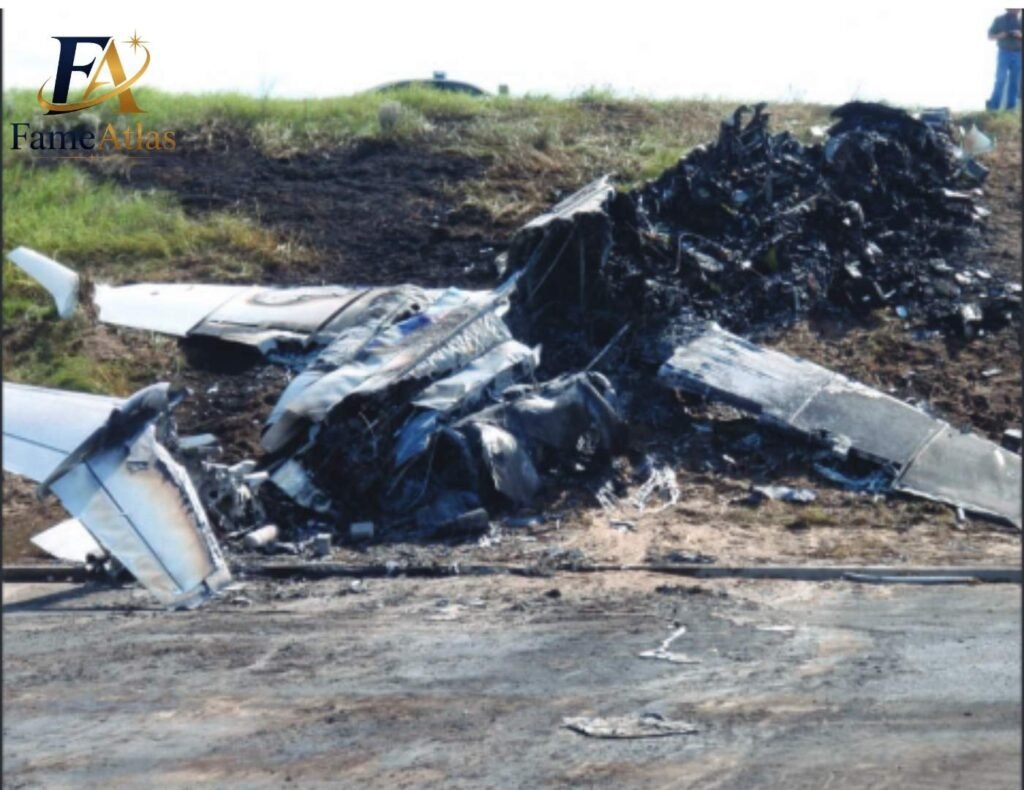
The Travis Barker plane crash story unfolded shortly before midnight on September 19, 2008. The Learjet began its takeoff from Columbia Metropolitan Airport, but something went wrong during the takeoff roll. Investigators later determined that the aircraft’s tires had been seriously underinflated, contributing to a failure during the takeoff. The crew attempted to reject the takeoff, but the aircraft was already traveling at a speed where stopping safely became extremely difficult. The Learjet overran the runway and continued beyond the airport boundary. It crossed a nearby highway before coming to rest and catching fire. The accident was extremely serious, and emergency responders faced a difficult rescue operation. Barker and DJ AM were the only two people aboard who survived.
What Happened to the Other People on Board?
A respectful account of the Travis Barker plane crash story must recognize that four other people lost their lives. The two pilots were Sarah Lemmon and James Bland, while the passengers included Barker’s assistant Chris Baker and security guard Charles “Che” Still Jr. Contemporary reporting identified Baker as someone particularly close to Barker, with friends describing him as part of Barker’s extended family. Still was working as a security professional for the musician. Their deaths made the crash much more than a story about a celebrity surviving an accident. Barker survived, but he also lost people who were part of his professional and personal world. That combination of survival and loss later became central to the survivor’s guilt and emotional trauma he described.
Travis Barker’s Survival
Barker and DJ AM managed to escape the aircraft and were taken for emergency medical treatment. Both suffered severe injuries, including significant burns. Contemporary reports said Barker sustained serious burns over large areas of his body and required extensive medical treatment. The physical recovery was lengthy and difficult. Barker spent time receiving specialized treatment in Georgia before eventually returning to California for additional care. His survival was remarkable given the circumstances, but surviving the accident did not mean that the experience was immediately over. The Travis Barker plane crash story continued through months and years of rehabilitation, emotional processing, and attempts to rebuild a normal life. Barker later explained that the accident affected his psychological health as deeply as it affected his physical condition.
The Physical Recovery After the Crash
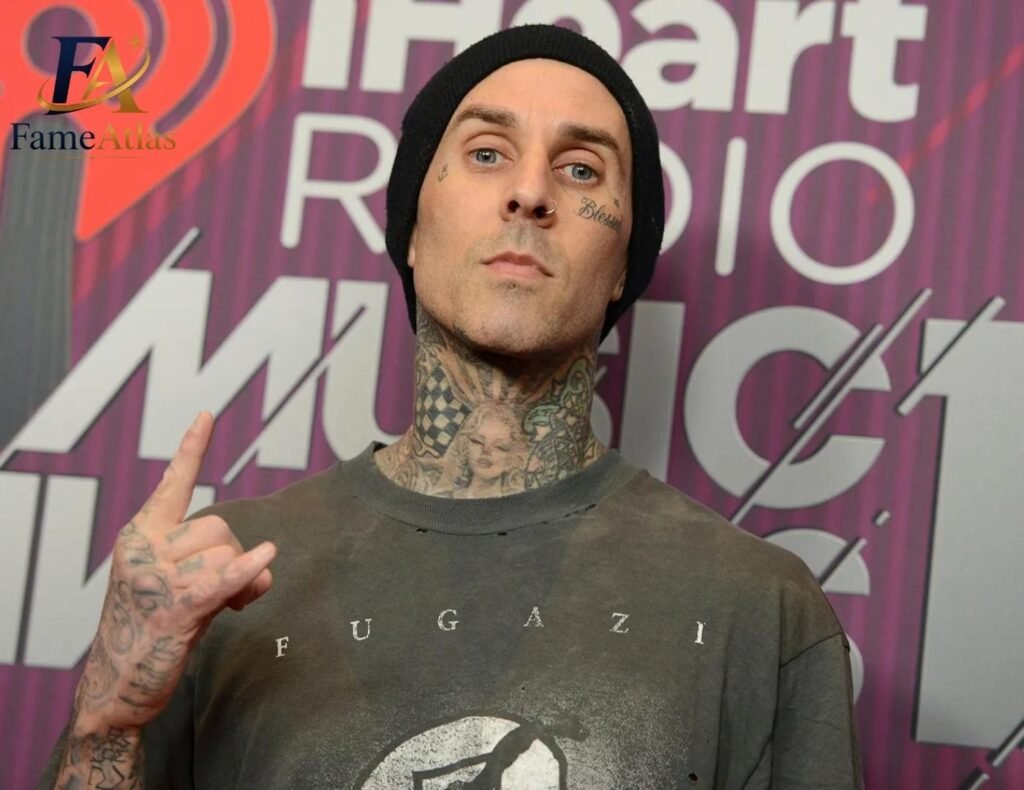
The physical recovery became one of the most challenging chapters in the Travis Barker plane crash story. Reports from the period described Barker undergoing numerous surgeries and receiving treatment for severe burns. Later accounts have given different figures for the number of procedures and the percentage of his body affected, so it is best not to treat every number repeated online as equally authoritative. What is undisputed is that the injuries required extensive medical care and that Barker’s recovery took months. In an early interview, he spoke about wanting to recover quickly enough to play drums again and hold his children. That goal illustrates how rehabilitation was connected not only to his career but also to his role as a father.
The Emotional Impact of the Crash
The emotional side of the Travis Barker plane crash story lasted much longer than the initial physical recovery. Barker later described experiencing intense trauma and survivor’s guilt after the accident. He had survived while four other people had died, including people he knew personally. Such circumstances can create complicated emotions, particularly when a survivor repeatedly thinks about why they lived when others did not. Barker has discussed how the crash changed his perception of danger and made him fearful of flying. In later interviews, he described periods in which he felt constantly threatened and struggled to move beyond what had happened. His experience demonstrates that surviving a traumatic accident can involve an extended psychological recovery rather than a single moment when injuries heal.
Travis Barker and Survivor’s Guilt
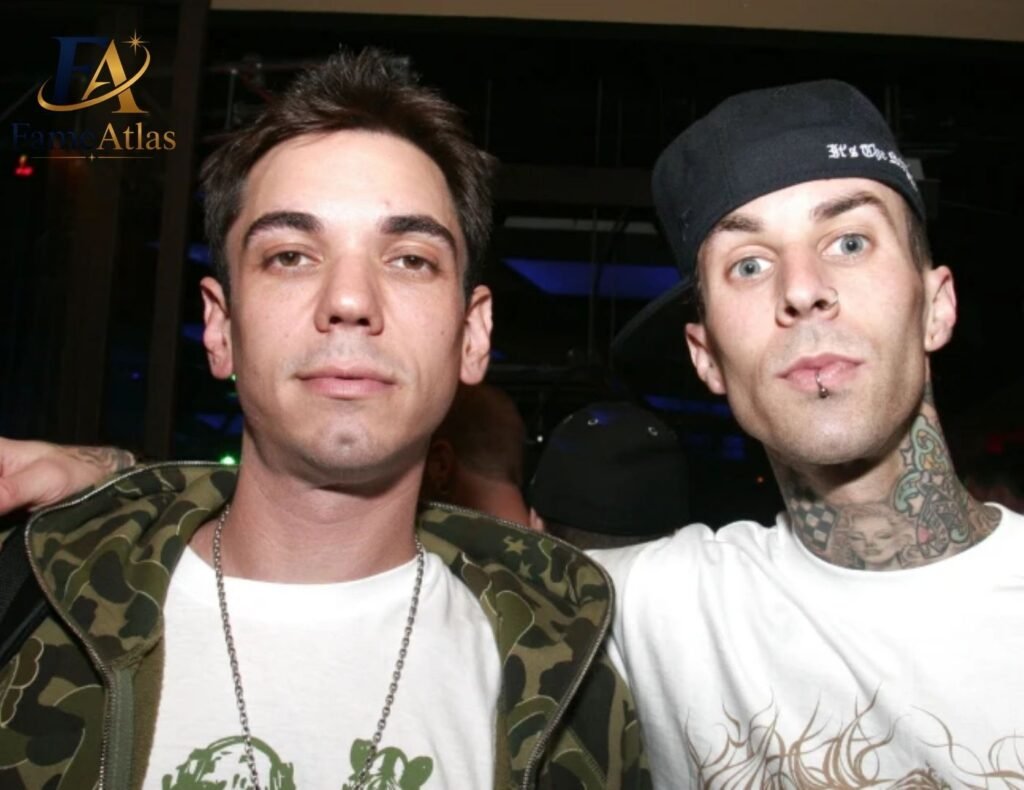
Survivor’s guilt became an important theme in the Travis Barker plane crash story. Barker has spoken about the difficulty of accepting that he survived when four people aboard the aircraft did not. The death of DJ AM less than a year after the accident also deepened the emotional burden. Goldstein had been the only other survivor who directly shared the experience of the crash, giving the two men a unique connection. Barker later explained that losing Goldstein made the experience even harder because he had lost someone who understood what they had both gone through. In recent interviews, Barker has discussed learning to process these feelings rather than allowing the tragedy to define his entire existence.
The Investigation Into the Accident
The National Transportation Safety Board investigated the crash and eventually identified several factors involved. According to accounts of the investigation, the Learjet’s tires were found to have been significantly underinflated. During the takeoff, a tire failure contributed to the crew’s decision to reject the takeoff. However, the aircraft had already passed the critical decision point for safely stopping on the remaining runway. The investigation concluded that the pilots’ decision to reject the takeoff after reaching V1, combined with the tire problem, played a central role in the accident. The investigation also identified issues involving tire maintenance and the aircraft’s braking and thrust systems. These findings helped shift the discussion away from speculation and toward identifiable aviation-safety factors.
Why the Learjet Could Not Stop
Understanding the aircraft’s failed takeoff is an important part of the Travis Barker plane crash story. During a high-speed takeoff, pilots have to make decisions based on whether the aircraft can safely continue into flight or stop on the remaining runway. In this case, the Learjet’s tire problem occurred during the takeoff roll. The crew attempted to abort the takeoff, but the aircraft had insufficient runway remaining to stop safely. The aircraft therefore continued beyond the runway. Investigators also examined how a damaged tire and a system involving thrust reversers affected the aircraft’s ability to slow down. The accident illustrated why tire condition, correct tire pressure, maintenance procedures, and high-speed takeoff decision-making are critical elements of aviation safety.
Barker’s Fear of Flying
After the crash, flying became one of Barker’s most significant fears. The Travis Barker plane crash story is therefore also a story about avoiding something that had once been part of his professional lifestyle. As a successful touring musician, Barker had previously traveled extensively, but the accident fundamentally changed his relationship with aircraft. For many years, he avoided flying and used other forms of transportation when traveling long distances. His fear was not simply a dislike of airplanes; it was connected to the memory of surviving an aviation disaster and losing people he cared about. Barker eventually began working on the psychological consequences of the accident, including therapy and other approaches intended to help him process the trauma and regain a sense of safety.
Returning to Music After the Accident

Another important part of the Travis Barker plane crash story is his determination to return to music. Drumming had been central to Barker’s identity long before the accident, and the physical injuries could have threatened his ability to perform. During his early recovery, he spoke about wanting to play drums again. His return represented more than a professional comeback; it was evidence that he was rebuilding parts of his everyday life after an extraordinary trauma. Barker eventually resumed performing and continued working with Blink-182 and other artists. His career expanded significantly in the years that followed. Rather than allowing the crash to become the endpoint of his musical story, Barker incorporated the experience into a broader journey of recovery, creativity, and personal resilience.
The Loss of DJ AM
The Travis Barker plane crash story became even more painful in 2009, when Adam “DJ AM” Goldstein died less than a year after surviving the accident. Goldstein and Barker had shared the experience of the crash and had been musical collaborators before it. His death therefore represented another profound loss for Barker. Recent accounts of Barker’s life have emphasized that losing DJ AM complicated his recovery because Goldstein was one of the few people who could understand the crash from personal experience. Barker has spoken about the lasting emotional impact of that loss and the importance of continuing to live in a way that honors people who are no longer present. This part of the story demonstrates why the psychological consequences of the crash remained significant long after Barker’s physical recovery.
Travis Barker Eventually Returned to Flying
For years, Barker avoided airplanes following the accident. One of the most remarkable developments in the Travis Barker plane crash story came when he eventually decided to fly again. In 2021, Barker took his first flight in approximately 13 years, marking a major personal milestone. His return to flying was closely associated with his relationship with Kourtney Kardashian, who encouraged and supported him during the process. The significance of that flight was not simply transportation. It represented Barker confronting a fear that had shaped his life since 2008. His decision showed that recovery does not necessarily mean forgetting a traumatic experience. Instead, it can mean learning how to live with the memory while gradually reclaiming activities that once felt impossible.
Kourtney Kardashian’s Role in His Recovery
Kourtney Kardashian became an important figure in the later chapters of the Travis Barker plane crash story. The couple began dating publicly in 2021 and married in 2022. Barker has credited Kourtney and his family with helping him find the motivation to confront his fear of flying. Their relationship developed after more than a decade in which Barker had largely avoided air travel. With emotional support from people close to him, he eventually boarded a plane again. His return to flying did not erase the trauma of 2008, but it demonstrated a major shift in how he managed it. Barker’s experience has often been discussed as an example of how support from loved ones can accompany professional therapy and other forms of trauma recovery.
Therapy, Breathwork, and Healing
In more recent years, Barker has spoken about using therapy and breathwork as part of his efforts to process trauma. In 2026 interviews connected to his documentary, he described breathwork as a practice that helped him access emotions connected with the crash. He has also discussed therapy for PTSD and survivor’s guilt. These experiences are important because the Travis Barker plane crash story did not end when he left the hospital. Emotional recovery unfolded over many years. Barker’s later reflections suggest that healing involved confronting memories rather than simply avoiding them. His experience should not be taken as a universal treatment plan, but it illustrates how long-term trauma can require sustained support and different approaches to emotional recovery.
Travis Barker: Louder Than Fear
The story received renewed attention in 2026 through the documentary ** Travis Barker: Louder Than Fear **. The film examines Barker’s life before and after the crash and follows his efforts to confront the fear of flying that remained with him for years. According to recent reporting, the documentary was developed over roughly a decade and combines Barker’s personal reflections with appearances from people close to him. Rather than focusing only on the accident, the film places the crash within the larger story of Barker’s music, family, trauma, recovery, and personal development. Its title reflects an important theme in the Travis Barker plane crash story: fear can remain powerful without having to control the rest of a person’s life.
How the Crash Changed Travis Barker
The Travis Barker plane crash story changed the musician in ways that went far beyond physical injuries. Before 2008, Barker was known primarily for his drumming, touring lifestyle, collaborations, and energetic public persona. After the crash, survival itself became an important part of his identity. He had to deal with physical rehabilitation, fear of flying, grief, survivor’s guilt, and the later death of DJ AM. Yet Barker continued making music and expanding his creative career. Over time, he became more open about trauma and mental health. His willingness to discuss the accident has also given fans a more personal understanding of the person behind the performer. The experience became a painful chapter, but not the final chapter, of his life.
Travis Barker’s Life and Career Today
Today, Travis Barker remains an active musician and one of the most recognizable drummers of his generation. His career has continued to include Blink-182, collaborations with artists from different genres, production work, and appearances connected to his family and creative projects. His later life has also included marriage to Kourtney Kardashian and the birth of their son, Rocky, in 2023. The contrast between Barker’s current life and the fear that followed the 2008 crash is significant. For years, even boarding an airplane represented an enormous psychological challenge. Today, he can look back on that period from a very different position. His continued career demonstrates how recovery can coexist with painful memories rather than requiring those memories to disappear completely.
Why the Travis Barker Plane Crash Story Still Matters
The continuing interest in the Travis Barker plane crash story comes from more than celebrity curiosity. It is a story about survival, loss, trauma, and rebuilding. Four people died in the accident, while Barker and DJ AM survived with serious injuries. Barker then faced years of physical and emotional consequences, including a profound fear of flying. His eventual return to an airplane in 2021 became a powerful symbol of progress. Recent interviews and his 2026 documentary have shown that the experience still matters to him, but it no longer has to dictate every decision he makes. His story reminds audiences that recovery can take years and can involve setbacks, grief, professional help, family support, and gradual steps toward reclaiming ordinary parts of life.
Conclusion
The Travis Barker plane crash story remains one of the most significant and difficult chapters of the musician’s life. On September 19, 2008, a Learjet carrying Barker, DJ AM, two crew members, and two members of Barker’s team crashed during takeoff in South Carolina. Four people died, while Barker and DJ AM survived with serious injuries. The aftermath involved extensive physical recovery, grief, survivor’s guilt, and a profound fear of flying. Yet Barker gradually rebuilt his life, returned to music, received support and therapy, and eventually flew again in 2021 after more than a decade away from airplanes. His recent reflections and Louder Than Fear documentary show that the story is ultimately about more than surviving an accident. It is about finding a way forward while carrying difficult memories.
Frequently Asked Questions About the Travis Barker Plane Crash Story
When did Travis Barker’s plane crash?
The Travis Barker plane crash occurred on September 19, 2008, shortly before midnight. Barker was traveling from Columbia Metropolitan Airport in South Carolina toward California aboard a Learjet 60. The aircraft crashed during takeoff after the crew attempted to reject the takeoff. Four of the six people aboard died, while Barker and DJ AM survived with serious injuries.
Who survived the Travis Barker plane crash?
The two survivors were Travis Barker and Adam “DJ AM” Goldstein. Both suffered serious injuries and required extensive medical treatment. Barker later spoke openly about the physical and emotional consequences of the accident, while Goldstein also continued his career after recovering. Goldstein died in 2009, less than a year after the crash.
How many people died in Travis Barker’s plane crash?
Four people died in the 2008 accident: the two pilots, Sarah Lemmon and James Bland, as well as Barker’s assistant Chris Baker and security guard Charles “Che” Still Jr. Their deaths remain an important part of the story because Barker’s survival was accompanied by the loss of people connected to his personal and professional life.
What caused Travis Barker’s plane crash?
The investigation identified severely underinflated tires as an important factor. During the takeoff, a tire problem contributed to the crew’s decision to reject the takeoff, but the aircraft had already reached a point where there was insufficient runway remaining to stop safely. The investigation also examined problems involving the aircraft’s braking and thrust-reversal systems.
Did Travis Barker fly again after the crash?
Yes. Barker avoided flying for approximately 13 years after the accident. In 2021, he eventually flew again, marking a major milestone in his recovery from the fear associated with the crash. He has credited support from people close to him, including Kourtney Kardashian, as part of his journey toward overcoming that fear.
How did the plane crash affect Travis Barker?
The accident caused serious physical injuries and had a lasting psychological impact. Barker has discussed trauma, survivor’s guilt, fear of flying, and PTSD-related experiences in later interviews. He underwent extensive medical treatment and gradually returned to performing music. The death of DJ AM in 2009 also added another layer of grief. Barker’s more recent reflections emphasize healing and learning to live beyond the trauma rather than pretending the experience never happened.